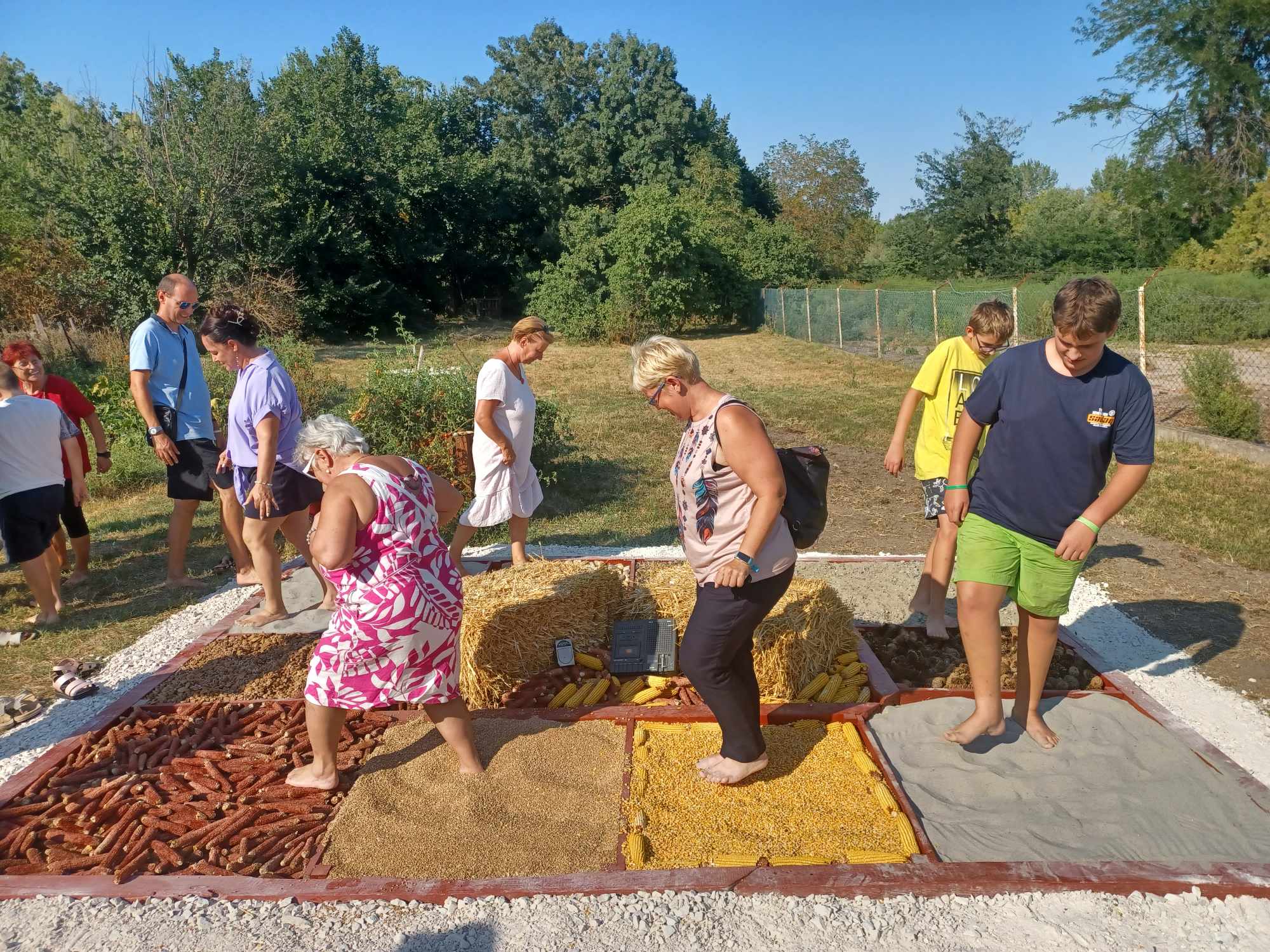
In rural areas across Europe, demographic shifts are reshaping community life. As populations age and mobility patterns change, care responsibilities once shared among structured systems are increasingly shouldered by local families — especially women of all ages. In Hungary’s small villages, this trend is particularly visible: care for the elderly is becoming as central a social task as childcare once was.
In this transforming landscape, the traditional concept of a “Mother Center” is evolving too. From nurturing mothers with small children, these community hubs are becoming intergenerational spaces that support the wellbeing of everyone who needs care: children, adults, elders, and those living with vulnerabilities.
One inspiring example of this evolution is taking shape in the village of Jánoshida — a close-knit settlement in the historical Jasz region of Hungary, with around 2,500 residents.
A Village Built Around Care
Jánoshida is not just another rural community. With an active local government, long-term strategic vision, and a strong sense of local identity, the village has been working for years to create a culture of mutual support and sustainable community wellbeing. The municipality’s Jánoshida2030 vision, developed together with Hekate Conscious Ageing Foundation, anticipates an elderly-friendly, ecologically mindful, and socially inclusive future — positioning care at the heart of community life.
The village’s demographic profile reflects wider European trends: an ageing population, shifting family structures, and increasing care needs. In this context, traditional civil society models, including Mother Centers, have a unique opportunity to adapt and meet these emerging challenges.
The St. Norbert Elderly Club: A Foundation for Intergenerational Care
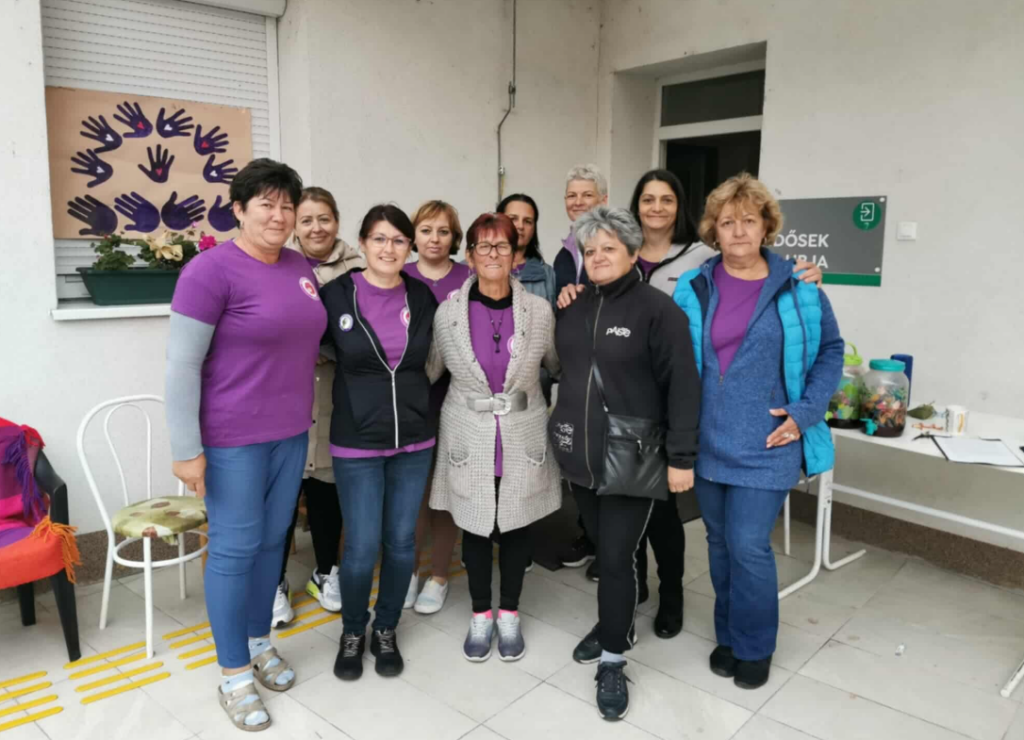
Since 1998, the St. Norbert Elderly Club has been serving the Jánoshida community as a key space for older adult engagement and social activity. As part of the Mothers for Peace & Ecology project, this long-established institution became the physical and symbolic home of a new intergenerational initiative — the Jánoshida (Grand)Mother Center.
Instead of creating a separate institution, local mothers and grandmothers chose to expand the existing Elderly Club’s mission, promoting cooperation between generations and deepening community ties.
Women-Led Partnership and Local Leadership
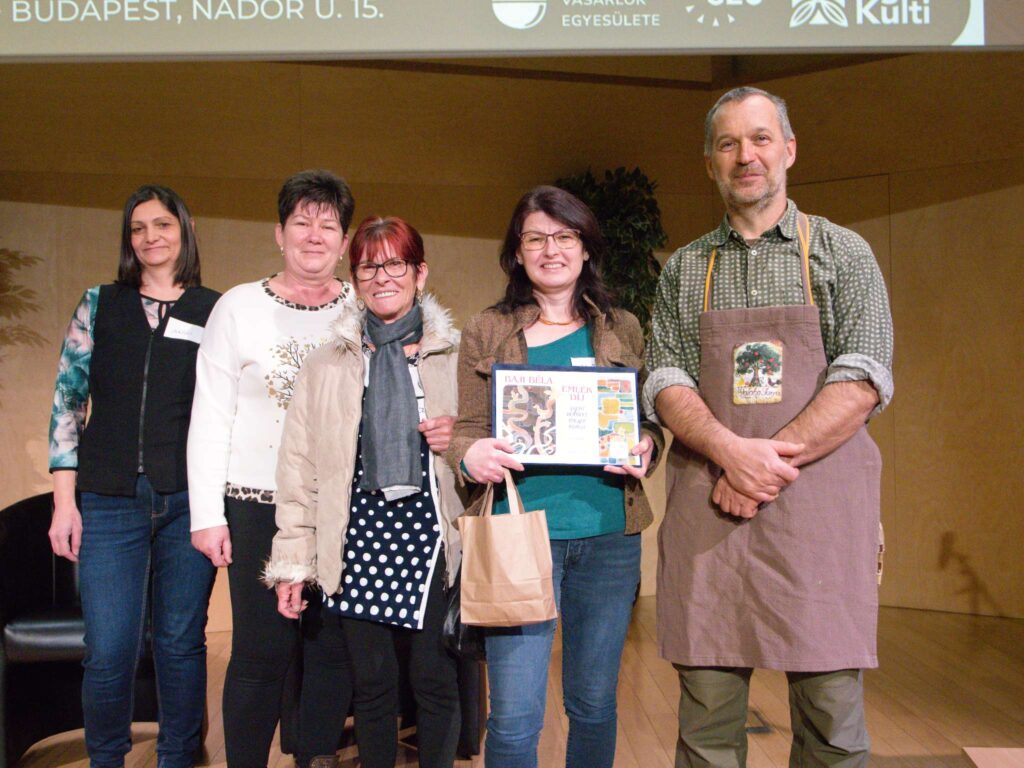
At the core of this development is Regina Foundation, a local women-led NGO that brought passion, organisation, and community networks to the effort. Together with the Elderly Club staff, the JANOSHIDA2030 partner Conscious Ageing Foundation, and the enthusiastic support of Mayor Béla Eszes and the municipal team, they created a space that reflects both community needs and local values.
Mayor Eszes has been instrumental in steering Jánoshida toward a future where care and sustainability are strategic priorities. Under the Jánoshida 2030 framework, the village aims to build a model of community life that responds to the care crisis, fosters active ageing, and supports ecological wellbeing — all while creating opportunities for young families to stay and thrive locally.
A Living, Growing Mother Center
The Jánoshida (Grand)Mother Center has quickly become more than just a meeting space. It is a living, evolving community hub that offers:
- Health and wellbeing events and support activities
- Trainings on a variety of life and care skills
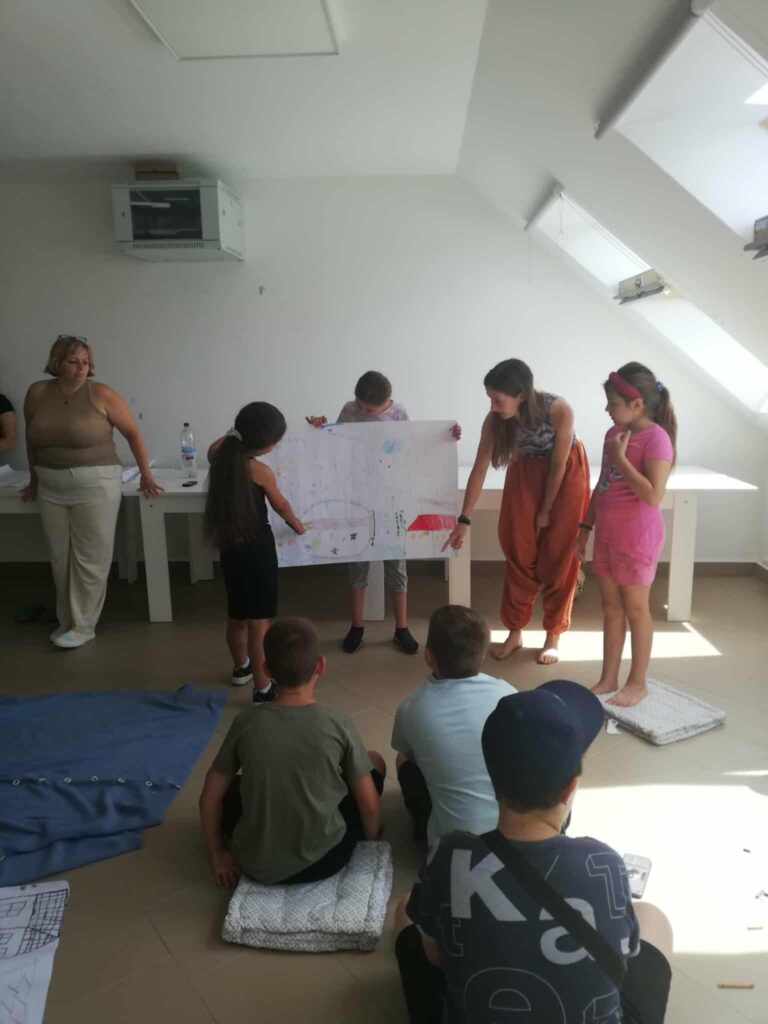
- Intergenerational programmes that bring together children, adults, and elders
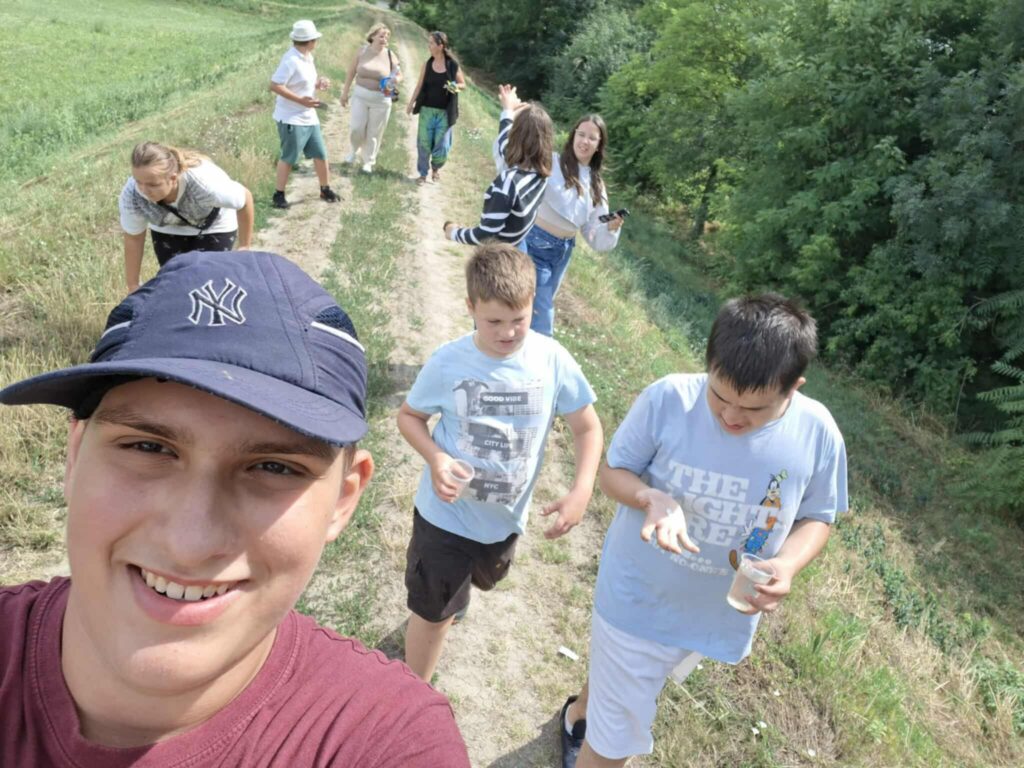
- Community camps and social gatherings
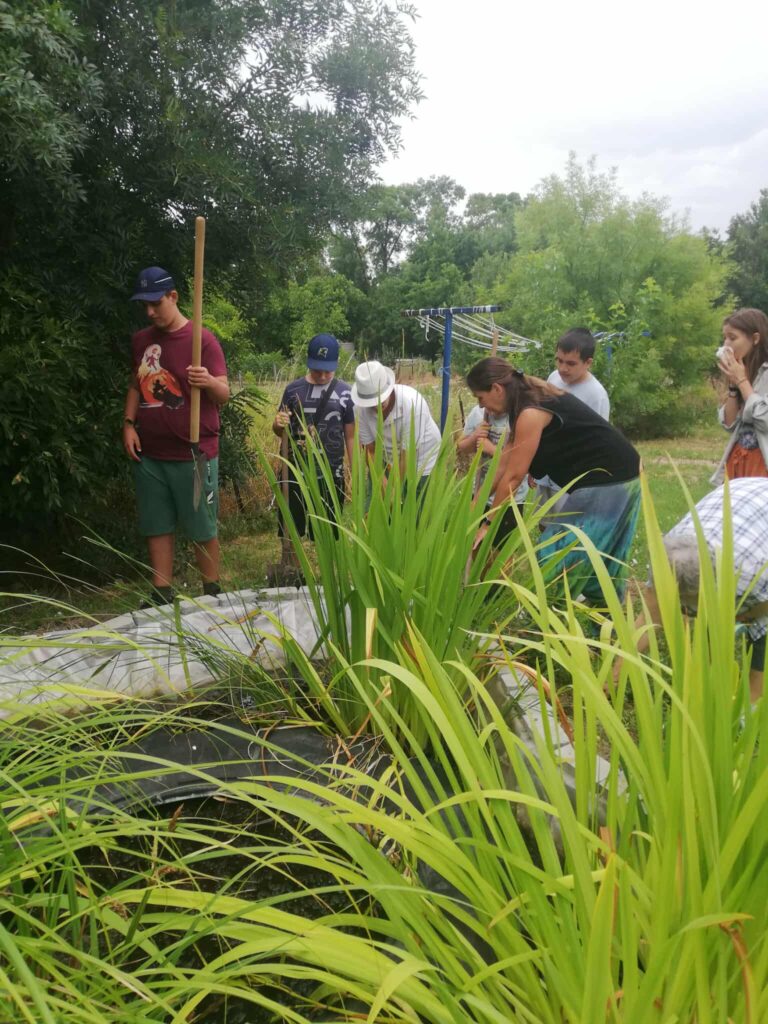
- Ecological projects integrating nature-based learning and local food cultivation
- Permaculture-based garden and social development
Local mothers, grandmothers, and even active men contribute to everyday programme development and facilitation, ensuring that the space remains truly community driven.
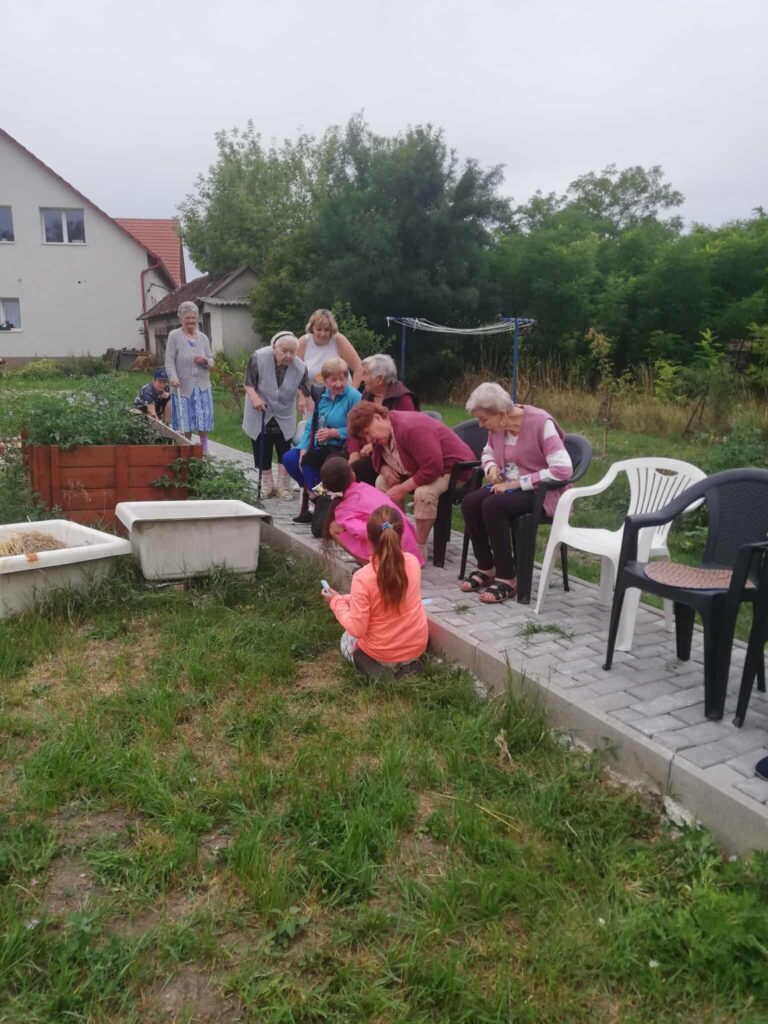
One particularly meaningful initiative has been the development of a dementia-friendly permaculture garden — a shared ecological space that combines healing, education, food production, and connection to nature. Permaculture principles align with the village’s sustainability goals and provide a space where generations can work, learn, and grow together.
Responding to Local Needs with Local Strength
What makes the Jánoshida (Grand)Mother Center especially remarkable is how it responds precisely to the lived realities of the village. In a community where:
- Formal care services are limited,
- Families balance work, domestic life, and care obligations,
- Residents of diverse ages and backgrounds live side by side,
the (Grand)Mother Center provides informal support, mutual aid, and shared resources that make everyday life more livable.
This model acknowledges that care does not happen in isolation — it happens through relationships, shared activities, and collective responsibility.
Intergenerational Support as a Source of Resilience
In Jánoshida, the (Grand)Mother Center not only offers activities and services but also strengthens community resilience. By bridging generational divides, it:
- Reduces social isolation among elders
- Supports mothers and families with informal peer networks
- Encourages cultural transmission and shared learning
- Promotes holistic wellbeing across the lifespan
These outcomes reflect the core belief behind Mothers for Peace & Ecology: that strong communities are built not only through services, but through sustained relationships grounded in mutual support and shared care.
A Model for Caring Communities
The development of the Jánoshida (Grand)Mother Center illustrates how traditionally women-led community spaces can adapt to contemporary social challenges. By expanding from a focus solely on child care to one that embraces intergenerational care, environmental awareness, and community wellbeing, Jánoshida offers a model that many rural areas across Hungary and Europe could learn from.
Looking Ahead
As the Jánoshida (Grand)Mother Center continues to grow, its future is shaped not by top-down planning, but by local initiative and co-creation. With ongoing community participation, municipal support, and enthusiasm from residents of all ages, the Centre is poised to become a centerpiece of rural innovation — nurturing resilience, connection, and care for generations to come.
Formation of the Janoshida (Grand)Mother Center was supported by the Mothers for Peace and Ecology project, funded by:
Vélemény, hozzászólás?